Buying a home in Rockford is exciting, but the home inspection can feel like the moment where the deal gets very real. If you are wondering what the inspector will actually look at, what the report means, and what happens next, you are not alone. A clear understanding of the process can help you feel more confident, avoid surprises, and make smart decisions before closing. Let’s dive in.
What a Rockford home inspection is
In Rockford, home inspections follow Illinois rules rather than a separate city inspection system. Under Illinois law, a home inspection is an examination and evaluation of the visible interior and exterior components of a residential property in connection with a sale or proposed sale.
Just as important, the inspection report is a written evaluation delivered after the inspection is complete. Illinois also requires home inspectors and home inspector companies to be licensed, and inspectors must carry at least $100,000 in general liability insurance. Before you hire an inspector, you can verify that license through the Illinois Department of Financial and Professional Regulation.
What a home inspection is not
A home inspection is a limited visual review, not a guarantee that every part of the house is problem-free. Illinois rules make that clear. Inspectors are not required to inspect areas that are not readily accessible or to predict future conditions.
They also do not estimate how long a system will last, provide engineering services, perform environmental testing unless separately arranged, or offer a warranty. A home inspection is also different from an appraisal, which serves a different purpose in a transaction.
What the inspection contract should include
Before the inspection happens, Illinois requires a written contract. That contract should spell out the purpose of the inspection, the date, the fee, the systems being inspected, the signatures, and any limitations or exclusions.
This matters because it sets expectations from the start. If something is outside the agreed scope, it may not appear in the final report. Reading that contract carefully can help you understand exactly what you are paying for.
What inspectors usually examine
A standard Rockford home inspection typically covers the home's major visible systems and components. The exact scope depends on the contract, but Illinois standards outline the main categories inspectors commonly review.
Structure and foundation
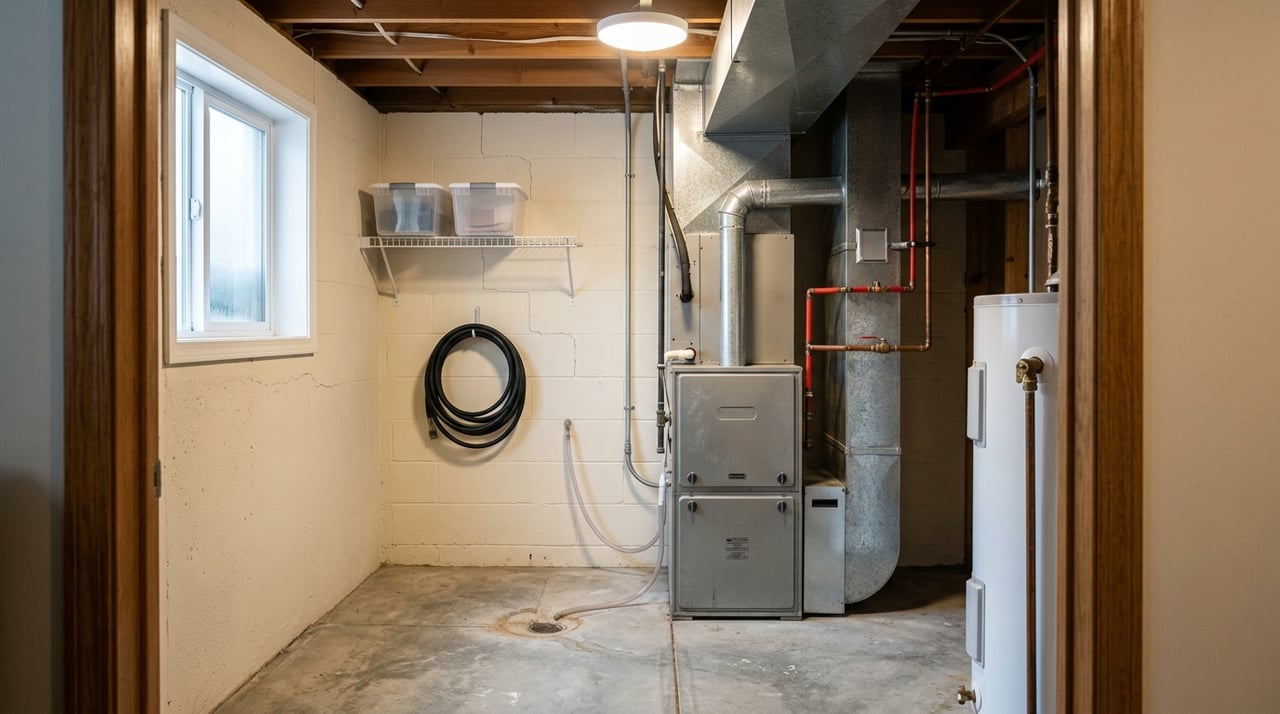
Inspectors often look at the foundation, framing, crawl spaces or basements, attic areas, and visible signs of water or moisture intrusion. They may also note infestation when it significantly affects the structure or integrity of the home.
Exterior features
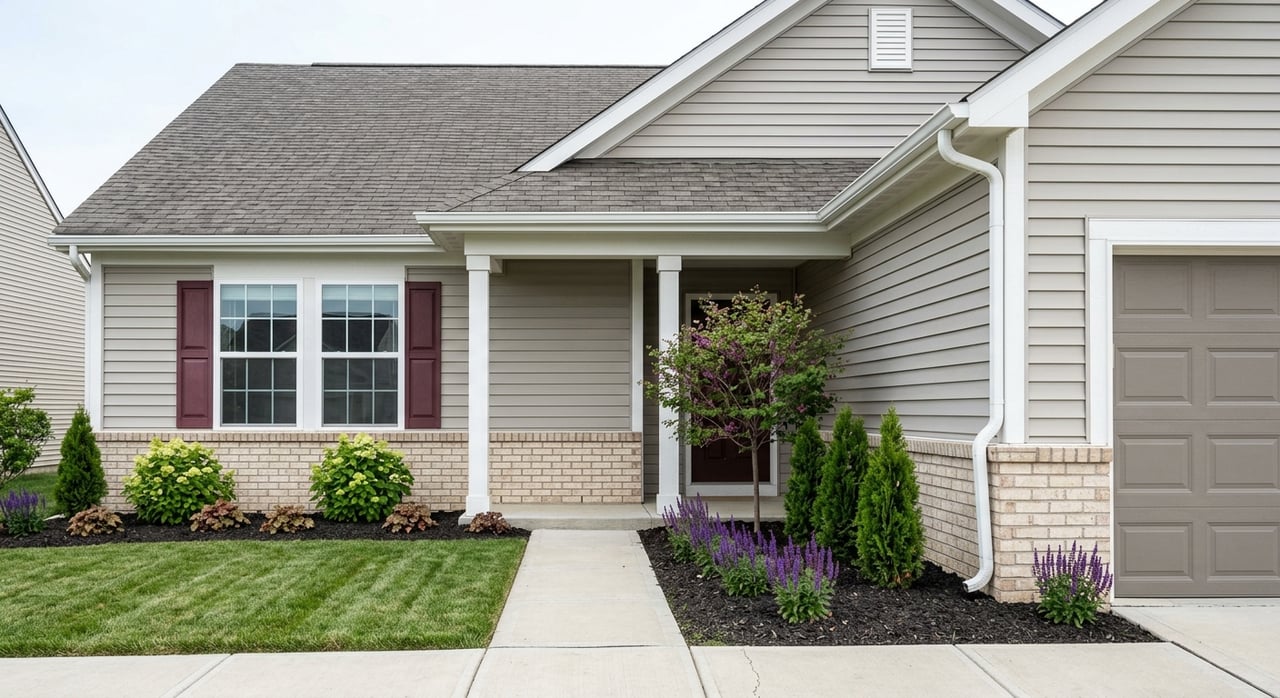
The exterior review may include wall coverings, exposed foundation areas, flashing, trim, doors, windows, siding, decks, porches, steps, and railings. Inspectors may also look at grading, drainage, retaining walls, and nearby hard surfaces if they could affect the building.
Roof components
Roof inspections commonly include the roof covering, drainage systems, flashings, skylights, chimneys, and roof penetrations. Because roofs protect the rest of the home, findings here often get close attention from buyers and sellers alike.
Plumbing systems
Plumbing reviews may include the water supply and distribution system, fixtures, faucets, drains, waste and vent systems, water heating equipment, fuel distribution, sump pumps, shutoff valves, and visible leaks. If the home has signs of plumbing trouble, the report may recommend further review by a licensed specialist.
Electrical systems
Electrical inspections usually cover the service entrance, panels, grounding, conductors, overcurrent devices, lighting, switches, receptacles, and GFCIs. Illinois standards also call for noting aluminum branch wiring, service ratings, wiring methods, and noncompliance related to smoke or carbon monoxide alarms.
Heating and cooling
Inspectors generally review permanently installed heating and cooling equipment, controls, fans, pumps, ducts, visible vent systems, flues, chimneys, and the home's heating and cooling method or energy source. This helps you understand whether core comfort systems appear functional at the time of inspection.
Interior and attached features
Interior reviews may include walls, ceilings, floors, stairs, railings, countertops, cabinets, included appliances, doors, windows, garage doors and openers, insulation, ventilation, and fireplaces or solid fuel appliances. In many homes, this section of the report includes a mix of minor maintenance notes and more meaningful repair items.
Rockford and Illinois issues to keep in mind
Some follow-up concerns come up often in Illinois transactions, including in the Rockford area. These may not always be fully covered by a general inspection, but they are still worth understanding early in the process.
Radon testing
Illinois officials say elevated radon has been found throughout the state and that all homes should be tested. The Illinois Emergency Management Agency and Office of Homeland Security says radon levels should be below 4.0 pCi/L, and the only way to know a home's level is to test the air.
If test results are above 4.0 pCi/L, mitigation should be considered. In practical terms, many Rockford buyers choose to add a radon test alongside the general inspection so they have a fuller picture of the property.
Lead-based paint in older homes
If a home was built before 1978, lead-based paint may be a separate issue to review. Federal disclosure rules give buyers a 10-day period to conduct a lead-based paint inspection or risk assessment unless both parties agree in writing to a different timeline.
That does not mean every older home has a lead problem. It does mean you should pay attention to age, disclosures, and any recommended follow-up testing if the home falls into that timeframe.
Smoke and carbon monoxide alarms
Illinois inspectors must report noncompliance with the Smoke Detector Act and the Carbon Monoxide Alarm Detector Act. State guidance says smoke alarms should be within 15 feet of every sleeping room and on every story, including basements, while carbon monoxide alarms are required within 15 feet of sleeping rooms in applicable homes.
These items may seem small compared with a roof or foundation issue, but they still matter. Safety-device findings are often among the easiest items to correct before closing.
When the inspection happens
The inspection usually takes place after you have an accepted offer. It is best to schedule it as soon as possible so you have enough time to review the findings, request repairs if appropriate, or bring in specialists for further evaluation.
This stage is part of your due diligence as a buyer. While the report can affect both sides of the transaction, Illinois rules around the contract, report delivery, and confidentiality make it clear that the inspection is centered on the client's review of the property.
Who should attend the inspection
If possible, attend the inspection. Seeing issues in person can make the written report easier to understand, and it gives you a chance to ask practical questions about maintenance, system operation, and next steps.
Many buyers find that the walkthrough helps reduce anxiety. A written report can sound intimidating, but hearing the inspector explain what is routine, what is urgent, and what may need specialist review often adds helpful context.
What the report should include
In Illinois, the inspector must deliver the written report within 2 business days after the completed inspection. The report must identify the participating inspectors, note the on-site start time and weather conditions, describe the condition of the inspected systems, and explain significant deficiencies.
It also must identify any designated areas that were not inspected and explain why. That could happen because an area was unsafe, blocked, or not readily accessible.
What happens after the inspection
Once you receive the report, the next step is to sort findings into categories. Most reports include a combination of routine maintenance items, repair concerns, and issues that may need more investigation.
A general inspection is meant to identify visible concerns. If the report points to something outside that scope, the next step is often a separate specialist inspection or test.
Common buyer options
After reviewing the report, buyers typically consider a few paths:
- Accept the home as-is
- Ask the seller to make specific repairs
- Request a credit or price adjustment
- Order follow-up inspections or testing
- Walk away, if the contract allows and the results are not acceptable
If your contract includes an inspection contingency, you may have the right to cancel without penalty if the results do not meet your expectations. Whether a seller agrees to repairs or concessions depends on the contract terms and the market.
What sellers should expect
If you are selling a home in Rockford, the inspection can still shape the transaction even though the buyer orders it. The smoothest inspections usually happen when obvious maintenance issues are handled ahead of time and access is easy.
Because Illinois inspectors are not required to enter unsafe or inaccessible areas, sellers should make sure key spaces can be reached. That includes attics, basements, crawl spaces, electrical panels, utility areas, and garage spaces if applicable.
Helpful seller prep steps
Before the inspection, sellers can often make the process easier by:
- Replacing missing or nonworking smoke or carbon monoxide alarms where needed
- Addressing visible leaks or moisture issues
- Clearing access to mechanical systems, attic entries, and panels
- Handling basic exterior maintenance that could raise questions
- Making sure utilities are on for system testing
These simple steps do not guarantee a perfect report, but they can reduce delays and keep attention on the home's overall condition rather than avoidable maintenance items.
The big takeaway for Rockford buyers
A home inspection is one of the most important risk-check steps in a Rockford real estate transaction. It helps you understand the home's visible condition at a specific point in time, but it is not a warranty and not a substitute for repair estimates or licensed specialist work.
The smartest approach is to hire a licensed Illinois inspector, review the report quickly, and respond based on the actual findings. When you pair a solid inspection with clear local guidance, you can move forward with more confidence.
Whether you are buying your first home, moving up, or getting ready to sell in Rockford or nearby Winnebago County communities, Kevin Fisher can help you navigate each step with practical advice and responsive support.
FAQs
What does a Rockford home inspection usually cover?
- A Rockford home inspection usually covers visible structural components, exterior features, roof elements, plumbing, electrical, heating and cooling systems, and many interior features, depending on the inspection contract.
How long does it take to get an Illinois home inspection report?
- In Illinois, the inspector must deliver the written report within 2 business days after the completed inspection.
Should you attend a home inspection in Rockford?
- If possible, yes. Attending can help you understand the home's condition more clearly and ask questions about maintenance, repairs, and possible follow-up inspections.
Can a Rockford home inspection find everything wrong with a house?
- No. Illinois home inspections are limited visual inspections, so inspectors are not required to inspect hidden or inaccessible areas or predict future problems.
Do Rockford buyers need radon testing during a home inspection?
- Many buyers choose it because Illinois officials say elevated radon has been found throughout the state and all homes should be tested.
What can happen after a home inspection in Rockford?
- After the inspection, buyers may accept the home as-is, request repairs or concessions, order specialist follow-up inspections, or cancel if their contract allows and the results are not acceptable.