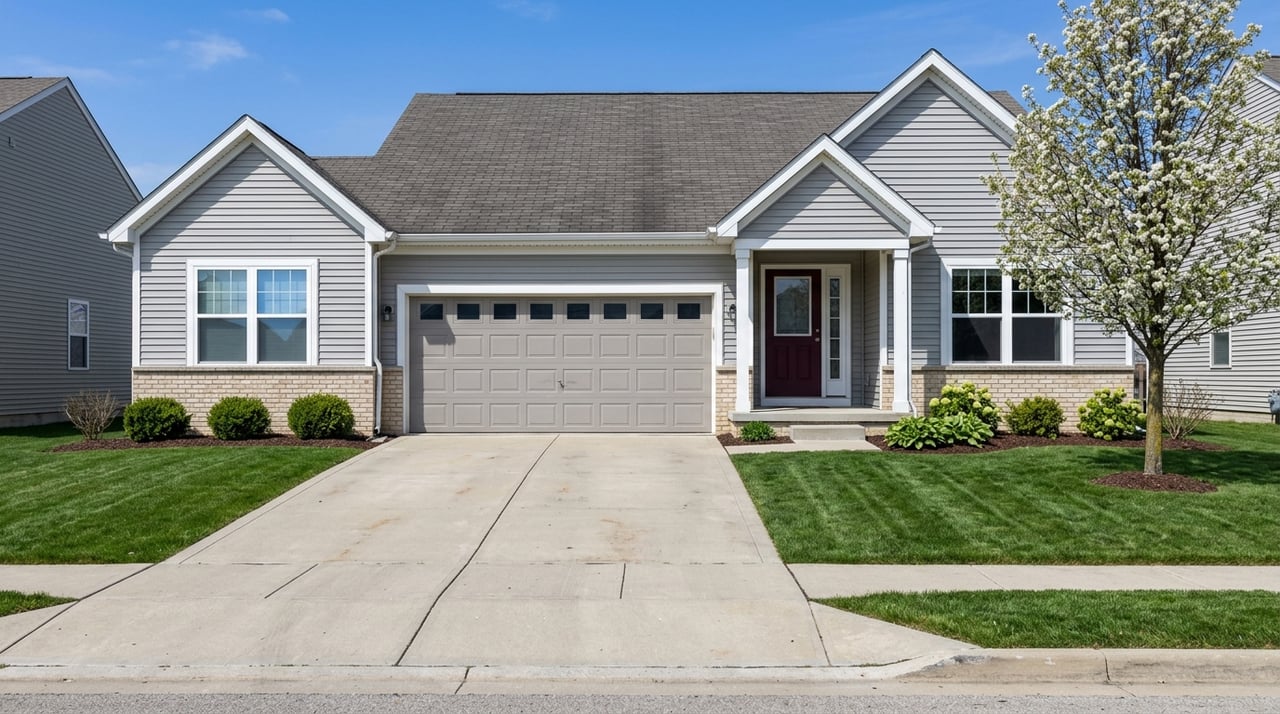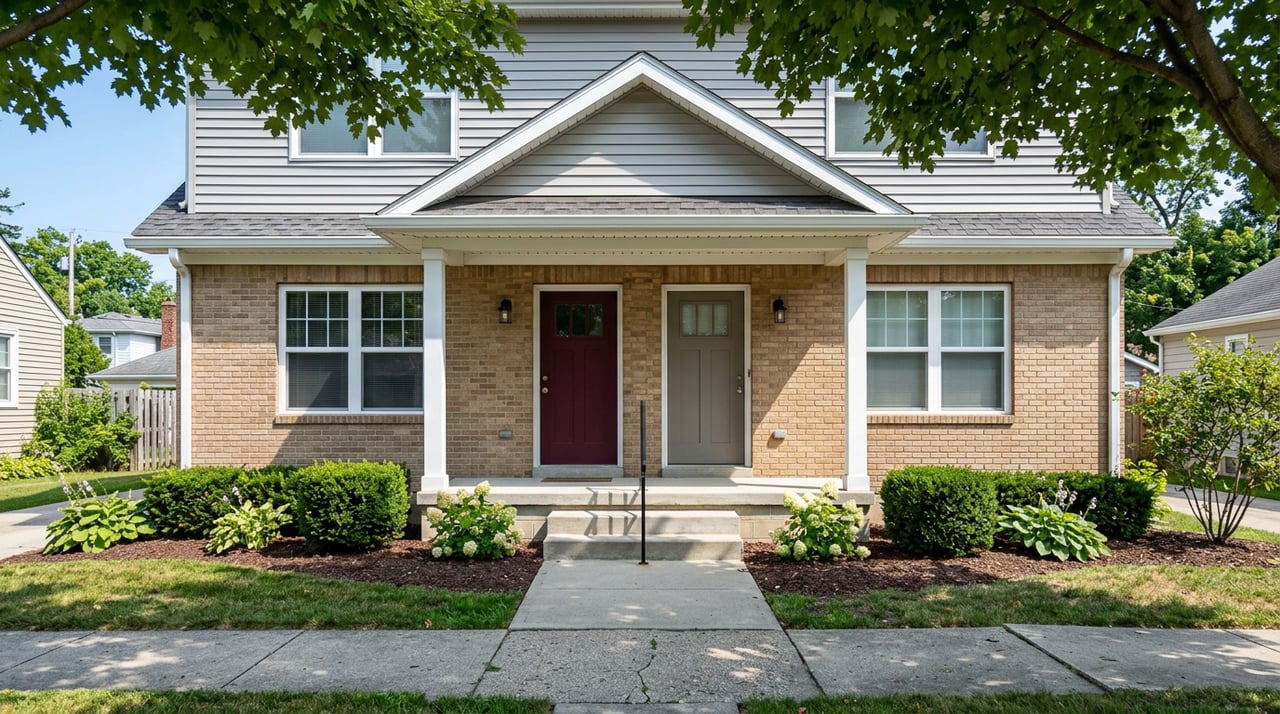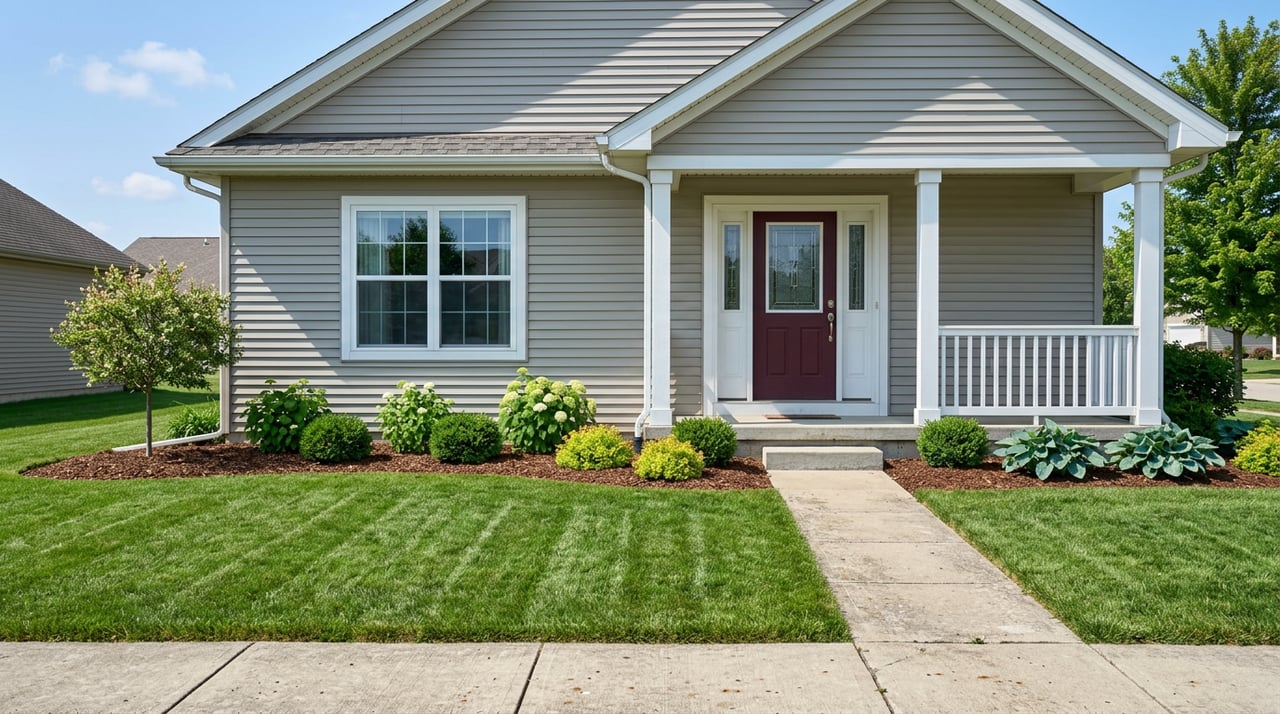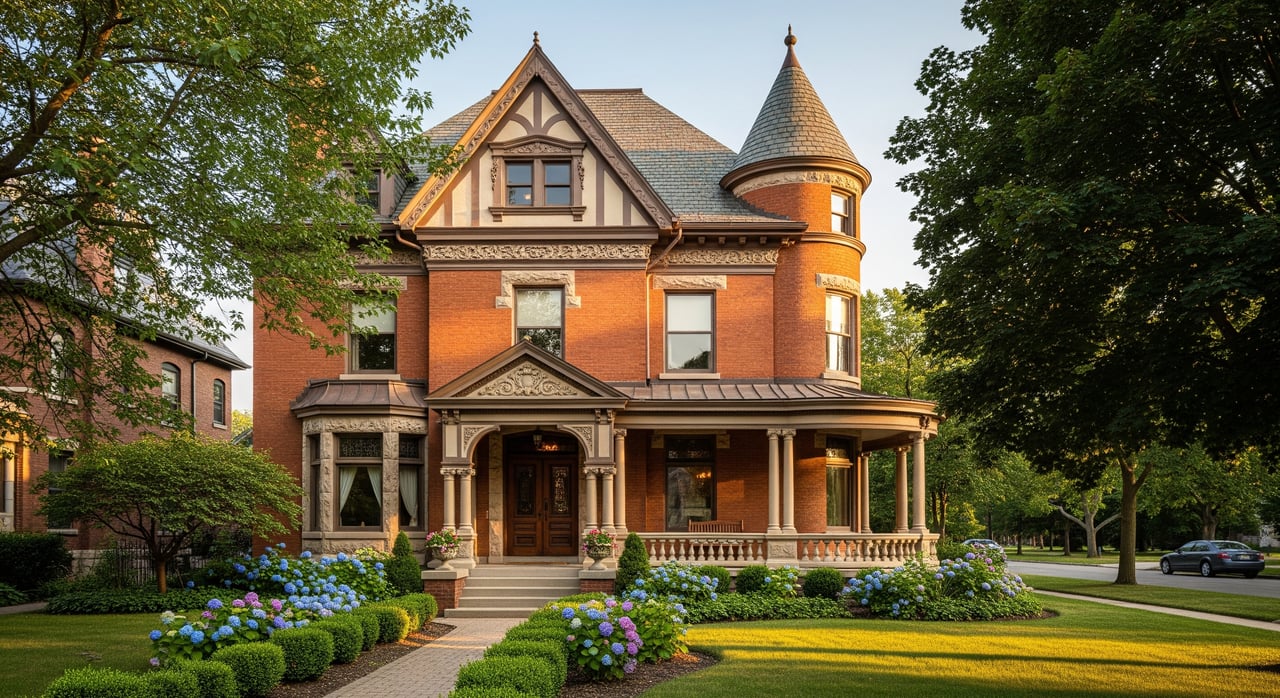
If character, mature trees, and walkable streets speak to you, Rockford’s historic neighborhoods might feel like home. You want a real sense of daily life, from the architecture you will see to the parks, dining, and commute options nearby. In this guide, you will learn how each area feels, what kinds of homes you will find, and practical tips for buying or selling a historic property. Let’s dive in.
Rockford historic living at a glance
Rockford is the largest city in Winnebago County, with a 2020 population of 148,655. Its historic neighborhoods cluster around downtown and along the river, with early 20th century garden‑suburb areas a bit farther out. You will find a mix of single‑family homes, duplexes, and downtown loft conversions. Many streets have sidewalks, mature trees, and a close connection to the city’s cultural scene.
Neighborhood snapshots
Haight Village Historic District
Haight Village sits near downtown and showcases late 19th and early 20th century homes. You will see Victorian‑era details, Queen Anne forms, and early Craftsman influences on tree‑lined blocks. The grid pattern and sidewalks make it easy to walk to nearby amenities and cultural venues. The feel is urban and neighborly, with architecture as the star.
South Main area
The South Main Street area includes older residential streets and some adaptive‑use properties close to downtown. Many homes are traditionally styled and set on established blocks with mature landscaping. You can expect a mix of residential and commercial uses nearby. It offers convenient access to city services and downtown events.
Guilford area
The Guilford area reflects early 20th century planned residential design. Curving roads, larger lots, and a park‑like setting define the streetscape. Architecture leans toward revival styles and well‑kept single‑family homes. The vibe is residential and leafy, with a quieter pace compared to near‑downtown districts.
Downtown and riverfront
Historic commercial buildings and warehouses have seen adaptive reuse into lofts and mixed‑use spaces near the river. If you like the idea of walking to theaters, museums, and locally owned spots, this central area delivers. The setting is more urban with event energy on evenings and weekends. Housing here often blends historic character with modern interiors.
Architecture and home styles
Rockford’s historic housing largely dates from the late 1800s through the early 1900s. As you tour, you will commonly see:
- Victorian‑era homes, including Queen Anne with asymmetry, decorative trim, and porches.
- Italianate details on older homes, such as tall windows and bracketed eaves.
- Early 20th century styles like Craftsman and Bungalow with low‑pitched roofs and natural woodwork.
- Colonial Revival and Tudor Revival among other revival styles, often on larger lots in planned neighborhoods.
Older districts near downtown follow a traditional grid with smaller lots and sidewalks, which supports an easy, walkable lifestyle. Planned early‑20th century areas have curving streets, larger yards, and a relaxed, garden‑suburb feel. Many homeowners update kitchens, baths, and systems while keeping original woodwork, stained glass, or masonry intact.
Lifestyle and amenities
Parks and green space
You will find plenty of outdoor access near historic areas. Sinnissippi Park and the riverfront greenways offer trails and open space for daily walks or weekend runs. Anderson Japanese Gardens and Nicholas Conservatory & Gardens provide destination‑worthy landscapes close to central neighborhoods. For a full‑day outing, Rock Cut State Park is within an easy drive.
Dining and culture
Downtown and the riverfront host theaters, museums, and event venues that keep evenings lively. The Coronado Performing Arts Center, Burpee Museum of Natural History, and other cultural sites support regular programs and shows. Historic districts near downtown often have convenient access to locally owned restaurants and cafes. More residential areas rely on nearby commercial corridors or a short drive into town.
Transit and commute
The Rockford Mass Transit District serves city routes, with more frequent coverage in central corridors. Many residents in historic areas combine walking, driving, and rideshare for daily trips. Interstate I‑90 provides regional access toward the Chicago area. Chicago Rockford International Airport offers regional air service and supports local business and logistics travel.
Buying a historic home
Historic homes can be rewarding, but they need a careful eye. Older systems may require updates, and renovation budgets can vary. Many buyers choose to modernize interiors and energy efficiency while respecting original character. Exterior changes in designated districts may require municipal review, so it pays to plan early.
Here is a smart due diligence checklist:
- Schedule a full home inspection, with attention to foundations, electrical, plumbing, HVAC, and insulation.
- Review local historic district regulations and permit steps for exterior work.
- Request utility history and consider an energy‑efficiency assessment.
- Verify title, easements, and any preservation easements that may affect the property.
- Contact the local preservation office to ask about eligibility for federal rehabilitation tax credits or any state or local programs.
- Obtain insurance quotes before closing, since older systems can affect coverage.
- Confirm property tax information and public school assignments with the appropriate local offices.
Expect potential projects like roofing, electrical upgrades, or insulation improvements. If the home has original woodwork or masonry, restoring these features may require specialty contractors. With the right planning, you can enjoy both comfort and character.
Selling a historic home
If you plan to sell, highlight what makes your property special and reduce buyer uncertainty. Document repairs, system updates, and any permitted work. If your home is in a designated district, outline what exterior changes are allowed and what requires approval. Emphasize proximity to parks, cultural assets, and downtown amenities to help buyers picture the lifestyle.
A clear prep plan can help your sale:
- Gather maintenance records and warranty details for recent updates.
- Complete pre‑listing touch‑ups that showcase original features.
- Provide information on district guidelines and any past approvals.
- Stage to balance charm and modern function.
Choosing your best‑fit neighborhood
If you prioritize walkability and cultural access, focus on historic areas closest to downtown and the riverfront. Streets here have sidewalks, short blocks, and easy access to theaters, museums, and locally owned spots. Expect a more urban feel with event energy during evenings and weekends.
If you value larger lots and a quieter, park‑like setting, consider planned early 20th century neighborhoods like the Guilford area. Curving streets, mature trees, and detached homes offer a relaxed pace. These residential settings often trade a little walkable convenience for more privacy and yard space.
Renovation, rules, and incentives
In designated historic districts, exterior changes and demolitions typically require review from the local preservation authority. Plan your projects with these steps in mind and build time into your schedule. Federal rehabilitation tax credits may be available for certified historic structures that meet specific standards. State or local incentives can vary, so confirm the latest programs with the City of Rockford and Illinois agencies.
Insurance and safety are important for older homes. Some properties may have knob‑and‑tube wiring, lead paint, or asbestos in certain finishes that require remediation. Work with licensed professionals and your insurer to plan updates and coverage.
How a local agent helps
A neighborhood‑focused agent gives you practical guidance on each street’s character and what to expect from inspections, permits, and insurance. You also get help weighing tradeoffs between walkability, yard size, and renovation scope. For sellers, full MLS exposure and clear positioning of historic features can draw the right buyers. With hands‑on advocacy and local insight, you can move forward with confidence.
Ready to explore Rockford’s historic neighborhoods or list your home with a trusted local approach? Reach out to Kevin Fisher for a friendly consult and a plan that fits your goals.
FAQs
What areas in Rockford offer the most walkability and nightlife?
- Historic neighborhoods closest to downtown and the riverfront offer the highest walkability and easiest access to cultural venues and locally owned spots.
Are historic homes in Rockford more expensive to maintain?
- Many older homes need upfront updates like electrical, HVAC, or insulation, and long‑term costs depend on prior maintenance and the scope of renovations.
Can I modernize a historic Rockford home?
- Yes, many owners update interiors and systems, and exterior changes in designated districts may require municipal review to preserve historic character.
What should I check before making an offer on a historic home?
- Complete inspections, review district rules and permit history, assess utilities and energy use, verify title and easements, and obtain insurance quotes early.
Where can I find reliable local information on districts and incentives?
- Contact the City of Rockford Historic Preservation Commission, the National Register and Illinois historic agencies, the Rockford Park District, and local property offices.